2026-09-02 · Dave Olson
What Basement Flood Cleanup Costs in the Twin Cities and What Moves the Price
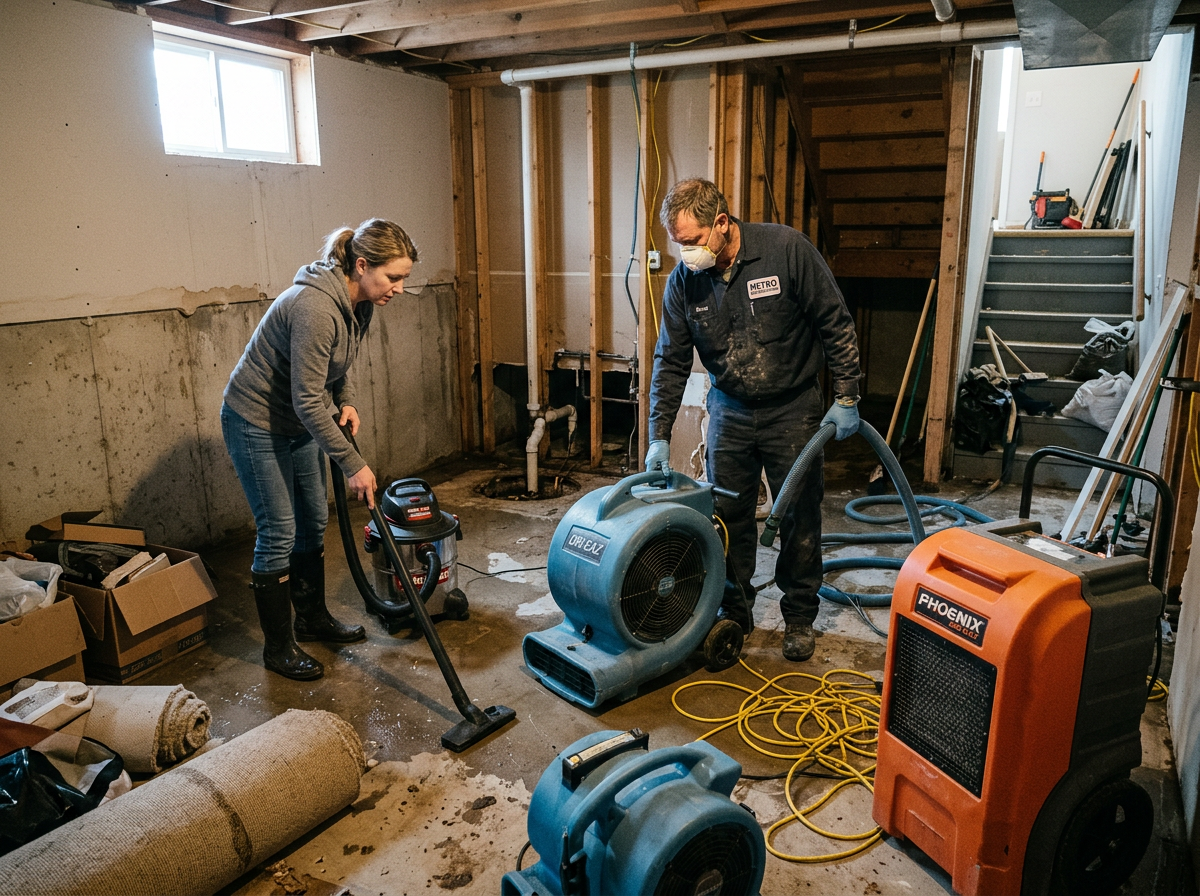
Basement flood cleanup in the Twin Cities typically costs $2,500 to $7,500 for most homes, though smaller extraction jobs start near $1,200 and complex cases with wall cavities or sewage exceed $12,000. Prices depend on water volume, how long it sat, and whether structural drying or sewage backup cleanup is needed. Local conditions such as 42-60 inches of frost depth and heavy clay soils often extend drying times to 5-10 days.
How Water Volume and Duration Drive Pricing
The amount of standing water and the time it remains in the basement directly set the labor and equipment hours required. A few inches from a frozen sump discharge line may need only water extraction and fans, keeping totals under $3,000. When spring melt sends several feet of water across a finished floor, crews must remove carpet, drywall, and insulation, pushing costs into the $6,000-$9,000 range. Every additional day water sits raises the chance that mold growth begins, adding testing and containment fees. Clay soils in the metro area slow natural drainage, so crews often run dehumidifiers at 40-50% relative humidity for a full week before moisture readings drop to safe levels.
Minnesota Winter Conditions That Raise Costs
Frost depth of 42-60 inches combined with March and April melt creates predictable peak demand. When sump discharge lines freeze and back up, water finds new paths into block or poured foundations. Ice dams force water behind siding and into wall cavities, requiring targeted demolition that standard extraction does not cover. Older Minneapolis and Saint Paul neighborhoods with combined sewers face higher risk of contaminated water, shifting the job from simple drying to full sewage backup cleanup protocols. These seasonal factors can add $1,500-$4,000 compared with a summer pipe leak of equal volume. Ice Dams and Water Inside Your Walls: What Minnesota Homeowners Should Check explains the inspection steps many homeowners overlook after a thaw.
Foundation Type and Insurance Rules
Block foundations in pre-1960 homes often leak at mortar joints, while poured walls fail at cold joints or tie-rod holes. Each failure mode changes the drying plan and the documentation insurers require. Minnesota carriers separate sudden loss from groundwater seepage; the latter is rarely covered. When water enters through cracks below the 42-inch frost line, adjusters frequently request photos and moisture logs before approving structural drying line items. Homeowners who document the source quickly avoid coverage disputes that can delay work and increase out-of-pocket expenses. Block Versus Poured Foundations: Why Older Twin Cities Basements Leak Differently outlines the visual differences that matter for claims.
Equipment and Labor Timeframes
Standard drying setups use air movers and dehumidifiers sized to the square footage, typically running 5-8 days at 40-55% humidity. Larger jobs or those involving wall cavities require additional days and sometimes negative-air machines. Labor for removal of saturated materials, antimicrobial application, and final clearance testing adds 8-16 hours per 500 square feet. These timelines are consistent across the metro because of the shared climate and soil conditions. Sump Pump Discharge Lines Freeze in Minnesota Winters: What Actually Happens details one frequent cause that affects equipment choice.
Homeowners facing water should photograph the source and water depth before any cleanup begins, then contact their insurer to confirm coverage scope. This single step keeps the process moving and prevents avoidable delays in drying.